Agent positioning
Clear messaging around specialty, market focus, and how you help buyers or sellers.

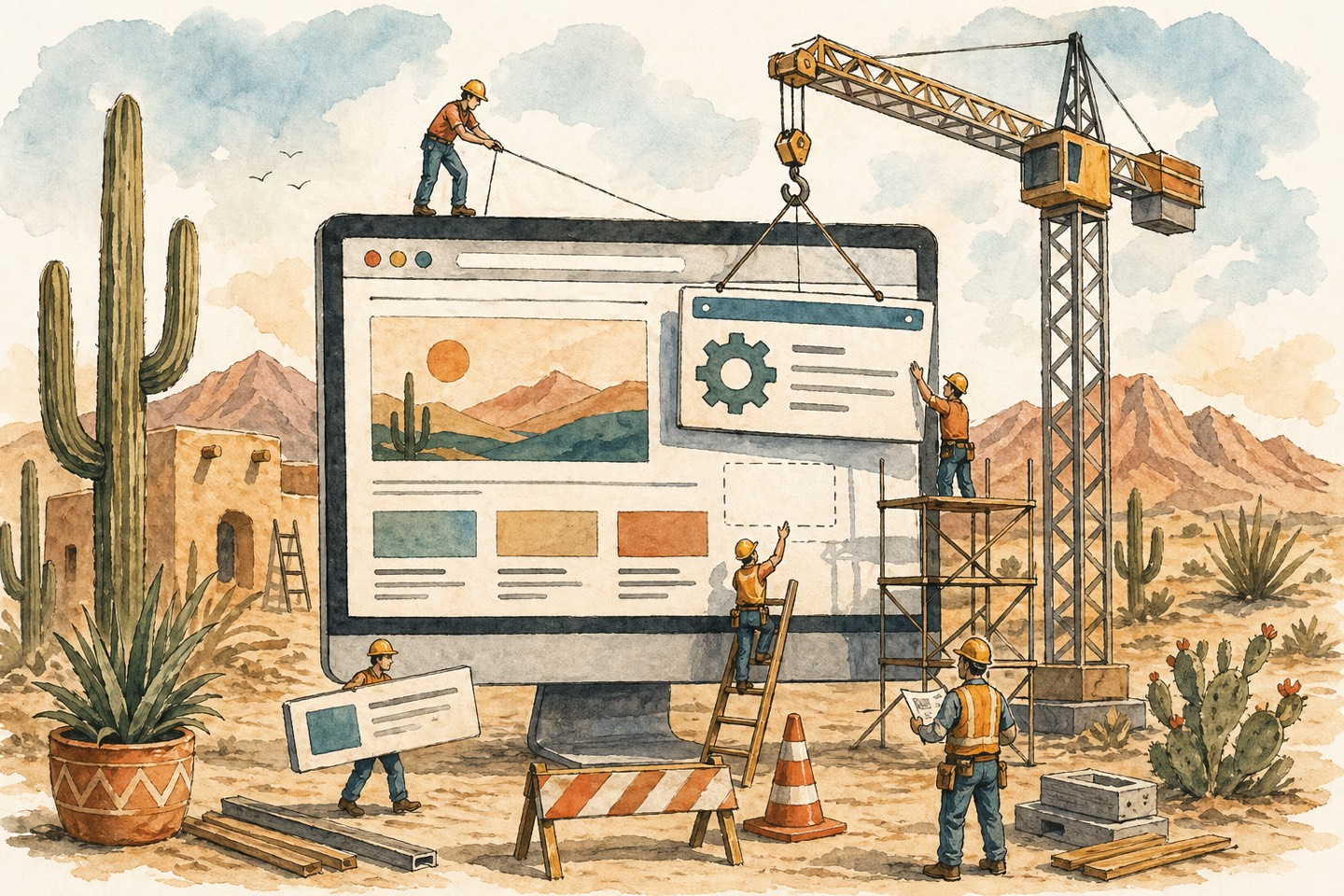
Realtor web design
A realtor site should make a strong first impression, explain what makes the agent different, and give buyers or sellers a reason to take the next step instead of bouncing to another profile.
What matters
Good real estate websites balance personal credibility, listing presentation, neighborhood knowledge, and an easy path for leads to call, message, or request help.
Clear messaging around specialty, market focus, and how you help buyers or sellers.
Space for featured listings, showcase pages, or curated neighborhood content.
Testimonials, bio details, process, and proof that help a lead feel more confident contacting you.
Calls, forms, and inquiry paths built around actual client questions and goals.

Best use
That means better control over messaging, stronger long-term brand presence, and a site that can keep growing as your referrals and search traffic grow.